High Protein Desserts: 4 Easy Options Compared
High protein desserts do not have to mean a new tub of powder or a sweet that tastes like a supplement. The useful question is simpler: do you want a chilled spoon dessert, a chocolate square, or something you can pack for later? Start with that answer, then compare the portion and ingredients.
This guide brings together four existing Midlife Plate recipes and explains the trade-offs between them. It is a selection guide, not a new recipe, and it does not promise weight loss, symptom relief, or a particular daily protein target. Dessert can be something you enjoy without having to earn its place at the table.
On this page
High protein desserts at a glance
The figures below are the current estimates in the linked recipe cards, checked for this guide. They describe one stated portion, not the whole batch. Brands, substitutions, and the way you divide a batch can change the result. Preparation times include the listed active preparation and cooking time; chilling or cooling can add elapsed time.
On a small screen, scroll the table sideways to compare every column.
| Recipe | Stated portion | Estimated protein | Estimated calories | Listed preparation and cooking time | Choose it when |
|---|---|---|---|---|---|
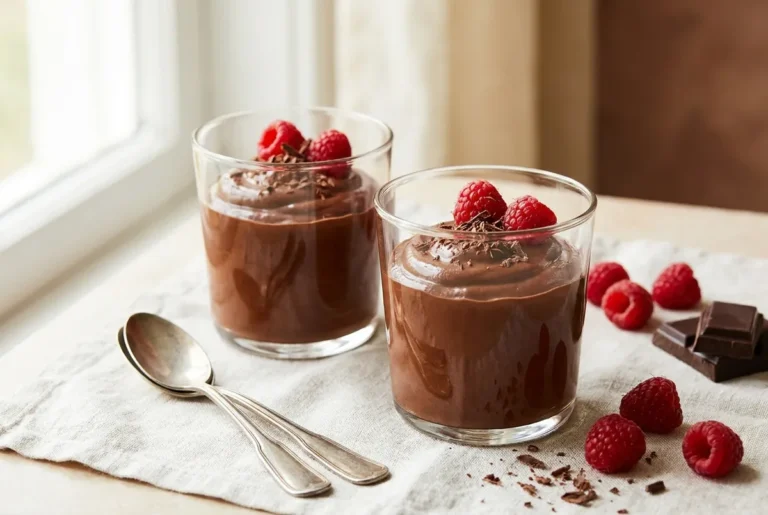
| Chocolate cottage cheese mousse | One of two servings | 19 g | 210 | 5 minutes | You want a cold chocolate dessert without baking |
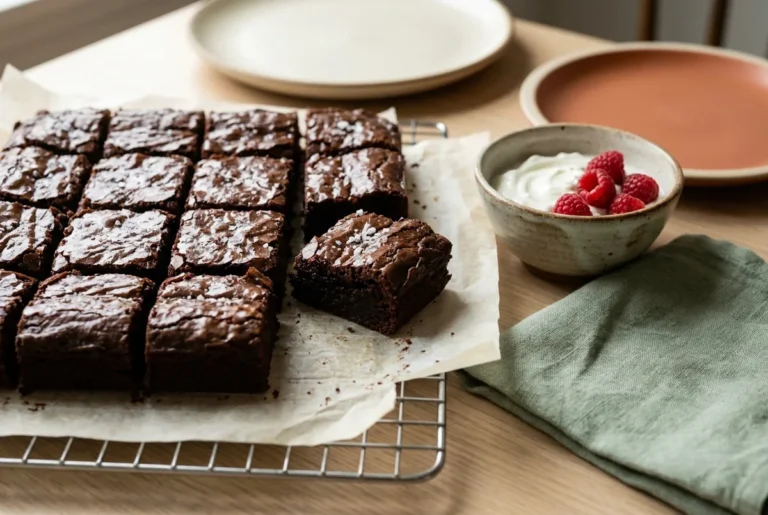
| Greek yogurt brownies | One of nine squares | 10.3 g | 231 | 34 minutes | You want a small baked chocolate portion |
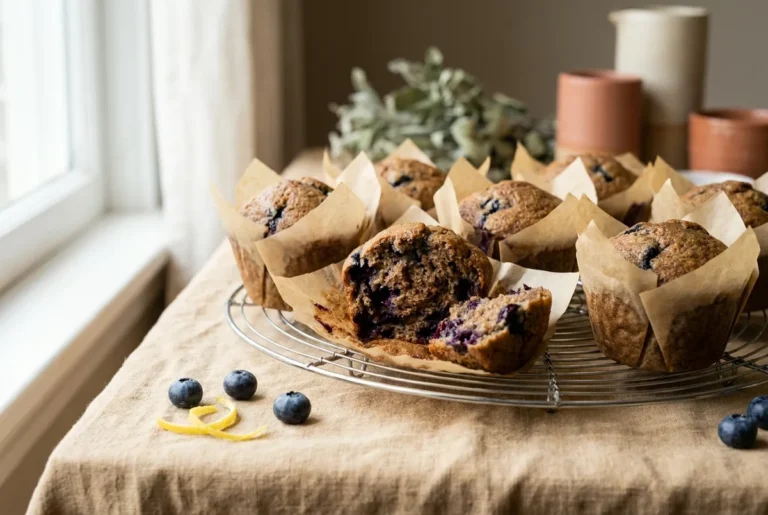
| Greek yogurt blueberry muffins | One of twelve muffins | 10 g | 194 | 35 minutes | You need a portable sweet snack |
| Baked oats | One of four squares | 30.4 g | 460 | 45 minutes | You want a substantial breakfast-style sweet dish |
The baked oats portion is much larger in calories and role than a muffin. Its higher protein number does not make it the automatic winner. Compare portions that fit the occasion, rather than choosing the largest number in the column.
Which dessert fits the way you want to eat?
Choose mousse for a spoon dessert
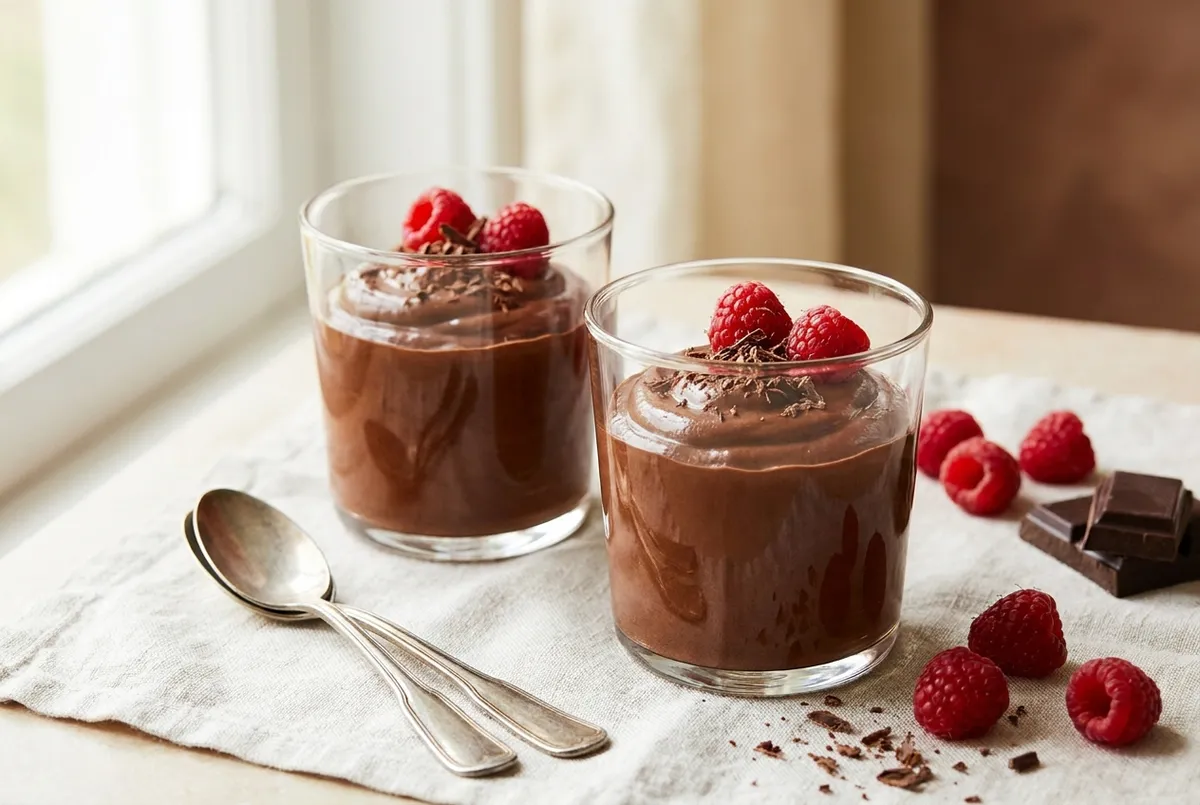
The chocolate cottage cheese mousse uses cottage cheese and Greek yogurt as its base. Cocoa supplies the chocolate flavor, and blending is important to the smooth texture. It is a useful option when you do not want to turn on the oven or portion a pan of baked goods.
A five-minute preparation estimate does not guarantee the same result with every blender. Stop and scrape the container as directed in the full recipe. A small quantity can sit below a large blender blade; a suitable small food processor or container may be more practical. Do not add a large splash of milk just to make the blade catch, because that changes the texture.
Cottage cheese varies in saltiness and moisture. Before adding any optional garnish, taste the blended mixture. Toppings are a separate choice, not a requirement to make the dessert look like a photograph. Read the card’s nutrition notes to see which ingredients are included in its estimate.
Choose brownies when you want a chocolate square
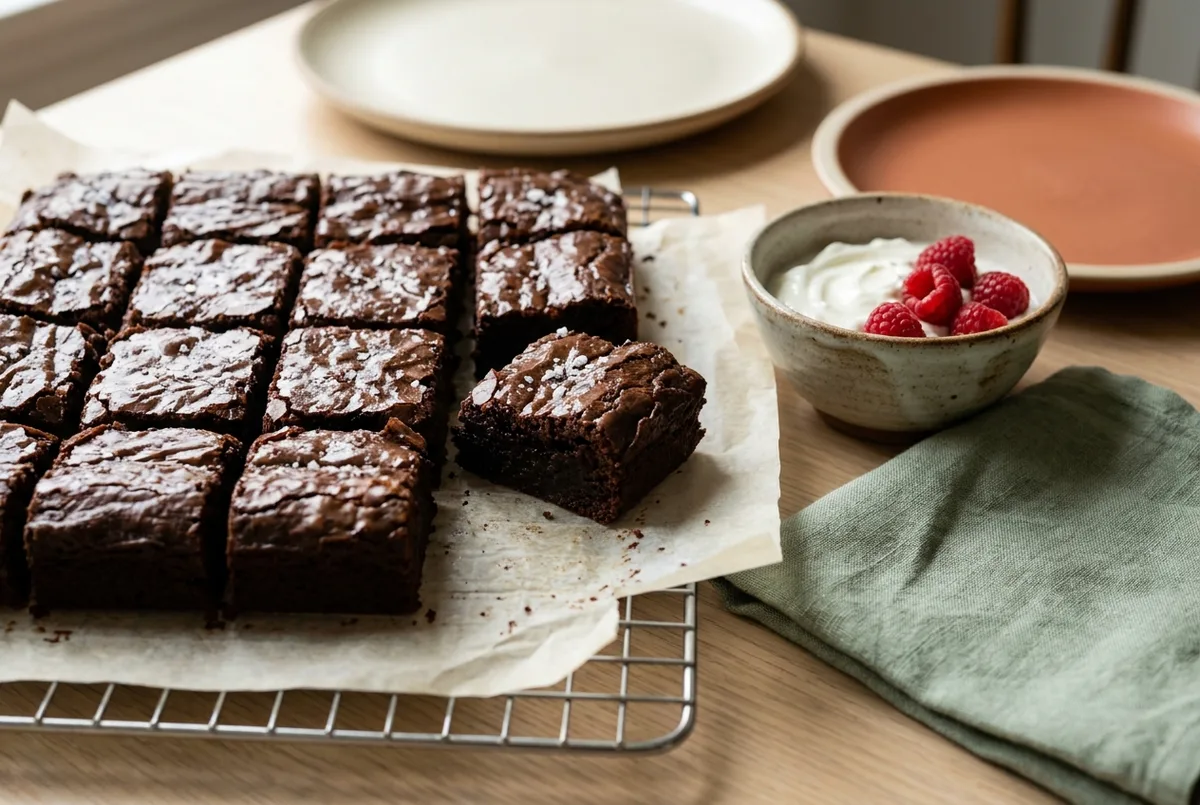
The Greek yogurt brownies make nine squares. Their 10.3-gram estimate belongs to one square, not to two pieces or the whole pan. If you cut the pan into a different number of pieces, the per-piece figure changes even though the total ingredients do not.
These brownies contain yogurt, eggs, peanut butter, almond flour, cocoa, and chocolate. They are not automatically suitable for someone avoiding dairy, eggs, peanuts, or tree nuts. A recipe can be protein-focused and still need a careful allergy check. Do not assume the name tells you everything that is in the batter.
Let the brownies cool as the recipe directs before judging whether they will cut cleanly. Cutting a hot pan can give a misleading impression of the finished texture. A different pan size also changes batter depth and can affect cooking, so follow the linked recipe rather than borrowing the baking time for a pan you already own.
Choose muffins when portability matters
The blueberry muffins are already divided into twelve portions. That makes them easier to pack than a chilled mousse. They combine yogurt and cottage cheese with eggs, flour, almond flour, and blueberries, so they should not be described as dairy-free, egg-free, or nut-free.
A muffin is not the same as a whole protein-rich meal. If you want it for breakfast, decide what else you would like to eat alongside it rather than increasing the portion only to reach an arbitrary number. A piece of fruit, a drink, or yogurt may fit your appetite; any addition changes the overall nutrition.
The recipe includes both wheat and almond flour. Replacing them with a single flour is a recipe change, not a guaranteed swap. If avoiding a particular ingredient is essential, choose a recipe designed for that need instead of trying to rebuild this one while keeping its original nutrition estimate.
Choose baked oats for a larger sweet meal
The baked oats are included because some readers want a warm, sweet, make-ahead dish rather than a small after-dinner dessert. One of four portions has an estimated 30.4 grams of protein and 460 calories. Those numbers help explain why it should not be compared with one small muffin as though the two serve the same purpose.
The recipe includes oats, yogurt, cottage cheese, eggs, milk, blueberries, and walnuts. It is not a dairy-free or vegan option. The oats also need suitable sourcing if gluten avoidance is important. Check the full ingredient list, package labels, and your own requirements before deciding it fits.
You can portion a finished batch differently, but do not keep the original per-serving number after doing so. Smaller squares can be useful for a snack; larger portions may suit breakfast. Serving size is a practical decision, not a health label.
How can you compare portions without getting lost in numbers?
First, identify the batch yield. A mousse divided into two containers and a brownie pan divided into nine pieces have very different portioning systems. Next, identify the unit used in the nutrition panel. Finally, compare what you actually expect to serve.
For example, two of the listed muffins would provide approximately 20 grams of protein and 388 calories using the recipe’s rounded figures. One mousse portion is estimated at 19 grams and 210 calories. That comparison does not make either choice morally better. It shows that similar protein totals can come in different amounts of food and different eating experiences.
If you divide a nine-square brownie pan into twelve equal pieces, each piece is about three-quarters of the original serving. Multiplying 10.3 grams by three-quarters gives about 7.7 grams of protein per piece. The figure is still an estimate, but it is more honest than retaining the old number beside a smaller square.
The FDA guide to Nutrition Facts labels explains why serving size matters when comparing packaged ingredients. For homemade food, the same basic habit is useful: check the amount before comparing the headline number.
Do these desserts need protein powder?
The four linked base recipes do not list protein powder among their ingredients. Their protein comes from combinations of dairy, eggs, nuts, oats, and other foods. That is a description of these particular recipes, not a claim that powders are bad or that food without powder is automatically healthier.
Adding a scoop is not a neutral change. It can alter moisture, sweetness, baking behavior, and the estimate in the recipe card. If you want a recipe developed with a particular powder, use one with directions for it. Do not expect an extra dry ingredient to disappear into an unchanged brownie batter.
The same caution applies to sweeteners. Maple syrup contributes liquid as well as sweetness. Replacing it with a dry or concentrated sweetener changes more than the taste. Follow a documented option in the original recipe, or treat your version as an experiment whose result and nutrition are not yet established.
A practical plan for making one dessert, not four
Start by checking your equipment. Mousse needs a blender or food processor that handles the quantity. Brownies need the specified pan. Muffins need a suitable muffin tin. Baked oats need the baking dish stated in the recipe. Choosing around equipment you have is often more useful than buying tools for a single photograph.
Next, check the dairy you already have. Yogurt and cottage cheese appear across several recipes, but that does not mean every product behaves identically. Read the type in the ingredient list, especially whether it is plain, strained, or a particular fat level. A flavored yogurt changes sweetness and can change the nutrition.
Then choose a time you can finish the whole process. Mixing is not the last step if the dessert needs to bake, cool, or be refrigerated. Leave space for safe storage before starting. A crowded refrigerator or a pan needed immediately for another meal can make an otherwise easy recipe inconvenient.
Finally, make only the quantity you can use or store sensibly. A two-portion mousse may fit your household better than a twelve-muffin batch. If you reduce a baking recipe, the original pan and timing may no longer work; use the full recipe’s guidance rather than guessing that every ingredient and time can simply be halved.
Storage, packing, and the difference between quality and safety
Use the storage directions on the individual recipe, including any shorter recommended limit. For perishable prepared food, USDA leftover guidance says to refrigerate within two hours, or one hour when the temperature is above 90°F, and keep the refrigerator at 40°F or below. Refrigerated leftovers are generally kept for three to four days; a recipe-specific shorter limit still applies.
A chilled mousse is not a shelf-stable lunchbox snack. If packing a perishable dessert, use a suitable cold-storage arrangement until it is eaten. Do not interpret an airtight lid as a substitute for refrigeration. When a storage history is uncertain, appearance alone is not a reliable reason to keep it.
Freezing may preserve a food safely while changing its texture. A dairy mixture can separate after thawing, and a baked item can dry out or pick up freezer odors if poorly wrapped. Follow the recipe’s freezer instructions rather than promising that every option will taste freshly made after thawing.
Label containers with the preparation date and what is inside. This is particularly helpful when similar-looking muffins or brownies have different allergens. Keep the ingredient packaging available if someone needs to check a label; a recipe name is not enough information for an allergy decision.
Common mistakes that make a useful recipe harder
Choosing by protein alone can leave you with a dessert you do not actually want. If you want something cold and creamy, baking a tray of muffins because the batch is larger does not solve that problem. Match the texture and occasion first.
Calling every change a swap creates false expectations. Regular yogurt, strained yogurt, dairy-free yogurt, almond flour, and wheat flour are not interchangeable in every recipe. When a substitution is not described, say the result is uncertain instead of retaining the original promise.
Using a nutrition estimate as a personal target is another mistake. The numbers help compare these foods. They do not diagnose a deficiency, establish what you should eat each day, or make a dessert a treatment for menopause symptoms. Our protein guide explains the difference between reference calculations and individual advice.
Questions readers ask before choosing
Which option is quickest without an oven?
The mousse has a listed five-minute preparation time and requires no baking. That figure is an estimate, not a guarantee about your equipment or cleanup. Read the full recipe for blending and serving instructions before starting.
Is the highest-protein choice always the best dessert?
No. The baked oats portion also has a different size and meal role. Choose around appetite, taste, ingredients, and the occasion. You do not need to optimize every sweet food around a protein target.
Can I use these for a vegan dessert?
The four base recipes contain dairy, and the baked options also contain eggs. None should be labeled vegan as written. A dairy-free or egg-free redesign needs its own method and recalculated nutrition rather than a new label on the same recipe.
Are these recipes kitchen-tested by the site owner?
No. These recipes are developed from established cooking methods and standard ratios, but they have not been personally cooked and tested by the site owner. Our editorial and nutrition policy explains the limits of recipe development and the estimated nutrition figures.
Choose one that fits today
Pick mousse for a cold spoon dessert, brownies for a chocolate square, muffins for a portable sweet snack, or baked oats for a more substantial sweet dish. Open the full recipe for exact quantities and directions. The useful result is a choice that fits your day, not a larger number on a comparison chart.
This guide is for general food planning, not medical advice. If you have a condition that affects your diet, get individual guidance from a qualified professional. Read our medical disclaimer.